The Price of Breath: How a Hospital Held a Body for Ransom
Location
Kolkata
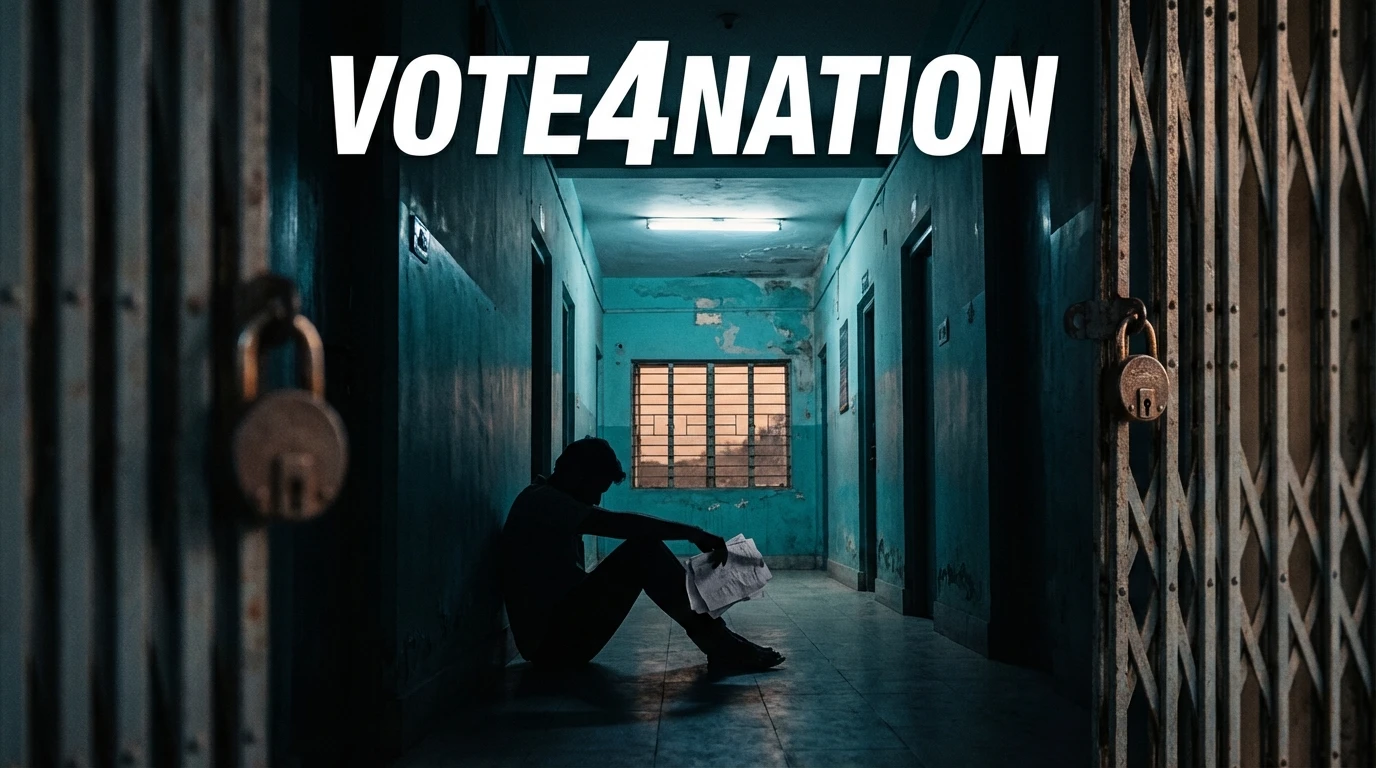
A middle-class man admits his wife to a private hospital. The hospital inflates the bill with fake charges. When the money runs out, they stop treatment. After she dies, they refuse to release the body until the final bill is paid.
The Glass Palace of Tears: When Saving a Life Becomes a Business Deal
It was a rainy Tuesday night in Kolkata. The streets were full of water, but Ramesh’s eyes were full of tears. He stood outside the tall glass gates of City Care Private Hospital. The building looked like a 5-star hotel. The lights were bright. The floor was clean. But for Ramesh, this place was not a hospital. It was a machine that ate money and spat out dead bodies.
Inside, his wife, Sumita, was lying on bed number 402. She had a fever that did not go away. They said it was Dengue. Then they said it was Pneumonia. Then they said her organs were failing. Every time the doctor changed the name of the disease, the bill went up by ₹50,000.
“We need to save her, Ramesh. Do whatever it takes,” his mother had cried over the phone.
Ramesh did whatever it took. He sold his small shop. He sold his wife’s gold jewelry. He borrowed money from a loan shark at high interest. But the hospital meter kept running. It was faster than a taxi meter. It was faster than Sumita’s heartbeat.
The Trap: Admission Night
Seven days ago, Sumita fainted in the kitchen. Ramesh rushed her to the government hospital, but there were no beds. Two people were sleeping on one bed. The smell was bad. The doctors were tired.
A man standing there told Ramesh, “Take her to City Care. It is expensive, but they will save her life. Is money more important than your wife?”
That question hit Ramesh hard. Is money more important? No. So, he took her to the private hospital. That was his mistake. He walked into a trap.
At the reception, the lady did not look at Sumita. She looked at Ramesh’s clothes. She looked at his shoes.
“Deposit ₹50,000 first. Then the doctor will touch the patient,” she said coldly.
Ramesh used his credit card. He thought, “This is just a deposit. I will get it back.” He was wrong. He would never see that money again.
The ICU: A Black Hole for Money
Sumita was shifted to the ICU (Intensive Care Unit). The doctor, Dr. Mallick, came out. He wore a sharp suit. He looked more like a businessman than a healer.
“She is critical,” Dr. Mallick said. “We need to put her on a ventilator. It will cost ₹25,000 per day plus medicine charges.”
Ramesh nodded. He was scared. He signed the papers. He did not read them. The papers said that the hospital was not responsible if anything happened. The papers also said Ramesh had to pay whatever bill they generated.
Day 1: The bill was ₹40,000.
Day 2: The bill was ₹85,000.
Day 3: The bill crossed ₹1.5 Lakhs.
Ramesh asked for a breakdown. He wanted to know why it was so expensive.
The billing clerk gave him a 10-page list. Ramesh read it with shaking hands. What he saw made him angry.
- Gloves: They charged for 50 pairs of gloves in one day. How can one nurse use 50 pairs for one patient?
- Syringes: They charged for 20 syringes. Only 3 injections were given.
- Visiting Charges: Every time the doctor stood near the bed for 2 minutes, they charged ₹2,000.
- Dietician Fee: Sumita was unconscious. She was not eating food. Yet, there was a ₹1,500 charge for a “Diet Plan.”
“Sir, these are mistakes!” Ramesh shouted at the counter. “My wife is sleeping! She is not eating! Why charge for a dietician?”
The clerk did not look up. “Computer generated bill, Sir. We cannot change it. If you don’t pay, we will stop the treatment.”
The Hostage Situation
On the fifth day, the money ran out. Ramesh had nothing left. He went to Dr. Mallick.
“Doctor, please save her. I will pay later. I promise. I will work for you. I will clean the floors. Just don’t stop the machine,” Ramesh begged. He fell on the doctor's feet.
Dr. Mallick pulled his leg away. “This is a hospital, Mr. Ramesh, not a charity house. The management has strict rules. No money, no medicine.”
That night, the nurses stopped coming to Bed 402. They stopped giving the expensive antibiotics. Ramesh sat by his wife’s side, holding her cold hand. The machine beeped slowly.
Beep... Beep... Beep...
And then, a long sound. Beeeeeeeeeeep.
Sumita was gone. The silence in the room was louder than the storm outside.
The Final Insult
Ramesh cried for an hour. Then he wiped his face. He had to take her home. He had to do the last rites. He went to the desk.
“My wife is dead. Give me her body,” he said. His voice was broken.
The manager, Mr. Roy, looked at the screen. “I am sorry for your loss. The final bill is ₹4,20,000. You have paid ₹2,00,000. You still owe us ₹2,20,000. Clear the dues, and take the body.”
Ramesh could not believe his ears. They were holding a dead body for money. It was like kidnapping. But the victim was already dead.
“I have no money! Take my kidney! But give me my wife!” Ramesh screamed.
The security guards came. They pushed Ramesh out of the hospital. He stood in the rain. His wife’s body was inside, in a cold freezer, waiting for money.
The Truth Behind the Glass Walls
This is not just Ramesh’s story. This is the story of thousands of families in India. Private hospitals have become corporate shops. They have targets. Just like a mobile shop has to sell 100 phones, these hospitals have to sell 100 surgeries.
Investigation reveals shocking facts:
- Doctors get a “cut” or commission for referring patients to the ICU.
- Hospitals charge 500% profit on medicines. A tablet that costs ₹10 is sold for ₹60.
- Unnecessary tests are done. Even if you have a stomach ache, they will do an MRI of the brain, just to make the bill heavy.
The Government Steps In
The outcry was loud. People like Ramesh went to the police. They went to the news channels. The anger of the common man reached the government.
The West Bengal Legislative Assembly saw this injustice. They realized that healthcare cannot be a loot. They passed a new Bill. This Bill is a shield for the poor.
What does the new Bill do?
- It creates a commission to monitor bills.
- Hospitals cannot hold dead bodies for unpaid bills. It is now a crime.
- Hospitals cannot charge whatever they want. There will be fixed rates for tests and beds.
- If a hospital violates these rules, they can be fined or shut down.
Conclusion: A fight for Dignity
Ramesh finally got his wife’s body after neighbors and a local leader protested outside the hospital. But the pain remains. He lost his wife and his future savings.
We must ask ourselves: When did healing become a business? When did a doctor’s white coat become a businessman’s suit?
This new law is a good step. But we need to be alert. We need to ask questions. We need to check our bills. We cannot let the "Glass Palaces" steal our lives.
If you see a hospital overcharging, do not stay silent. Speak up. Your voice can save the next Ramesh.
Story from real incident happened in India.
Produced by: Investigative Desk, VOTE4NATION