The Price of a Breath: How Insurance Became a Trap
Location
Pune
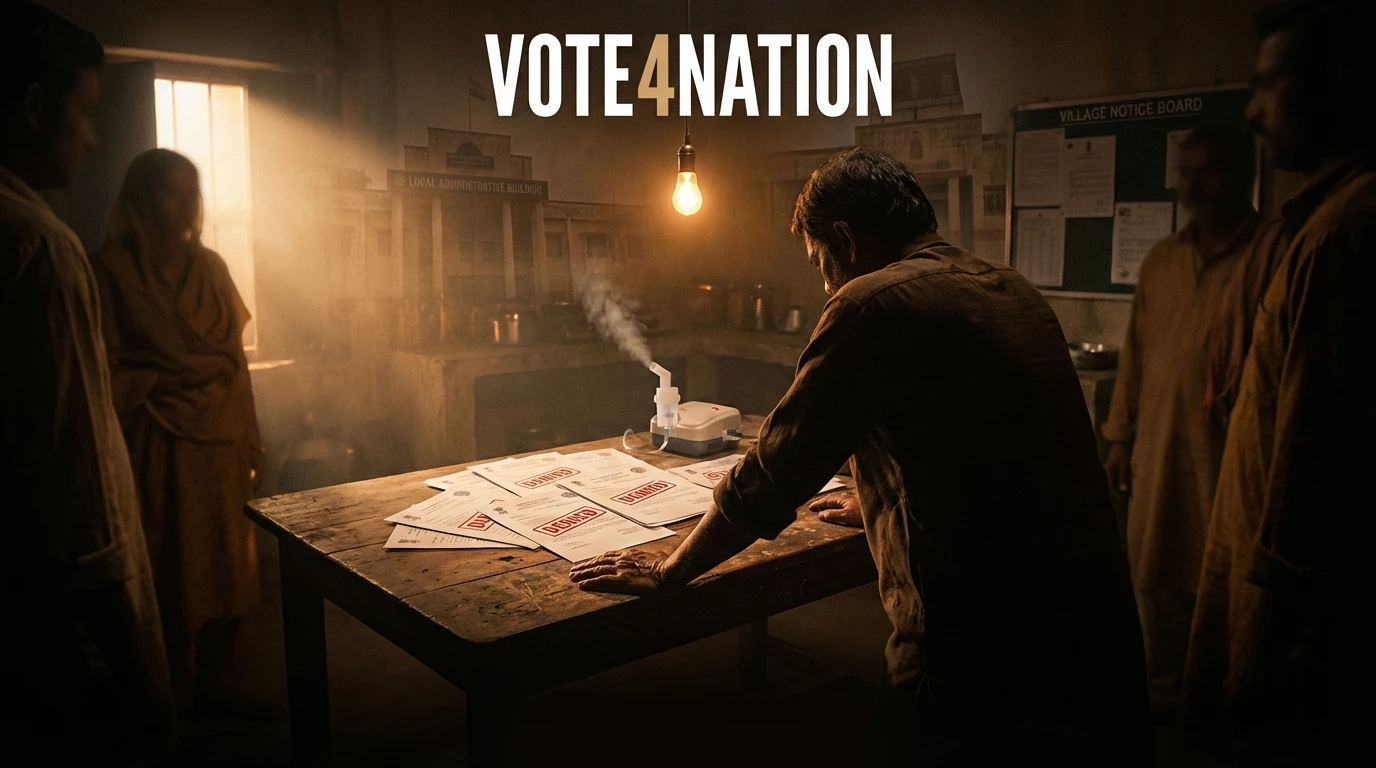
A middle-class son takes his father to a private hospital relying on cashless insurance. The hospital inflates the bill with unnecessary tests and charges, exhausting the insurance limit and holding the father hostage until the son pays the massive difference.
Chapter 1: The Safety Net That Became a Trap
Imagine you have an umbrella. You bought it because you were afraid of the rain. You paid for this umbrella every month, thinking, "If a storm comes, I will be dry." But when the storm finally came, the umbrella had holes. This is the story of Amit and his father, Ramesh. It is a story that happens every day in India.
Amit works in a small IT company in Pune. He earns a decent salary. He is a good son. Two years ago, he saw an advertisement on TV. It showed a happy family in a shiny hospital. The tagline said, "Cashless treatment. No worries." Amit looked at his 65-year-old father, Ramesh. He wanted his father to be safe. So, Amit bought a health insurance policy with a cover of Rs 5 Lakhs. He paid the premium every year without fail.
"I thought I was buying peace of mind. I did not know I was buying a ticket to a nightmare." – Amit
Chapter 2: The Midnight Rush
It was a rainy Tuesday night. Ramesh felt a heavy pain in his chest. He clutched his shirt. He could not breathe. Amit panicked. He called an ambulance. The siren wailed through the empty streets. They rushed to 'City Care Global Hospital' (name changed), a big private hospital with glass walls and shiny floors.
At the reception, the air conditioner was very cold. The smell of disinfectant was strong. Amit was sweating despite the cold. He ran to the counter.
"My father is having a heart issue! Please help!" Amit shouted.
The receptionist did not look up immediately. She typed something on her computer. Then she looked at Amit with a blank face. Her first question was not about the patient's pain. It was not about his heartbeat.
The Golden Question
"Do you have insurance? Or will you pay cash?" she asked.
Amit pulled out his wallet. He showed the health insurance card. "Yes, I have insurance. Rs 5 Lakhs cover. Please, just start the treatment."
The moment she saw the card, her eyes changed. She nodded. "Okay. Cashless admission. Sign here."
Amit felt relieved. He thought the system was working. But he did not see the small signal the receptionist gave to the duty doctor. The signal meant: "Insurance patient. maximize the bill."
Chapter 3: The VIP Treatment Scam
Ramesh was admitted to the ICU. The doctors said he needed observation. Amit sat in the waiting room. He prayed. For two days, everything seemed fine. The doctors were polite. The nurses were attentive.
But then, strange things started happening. A nurse came to Amit.
"Sir, we need to do a full body scan. Just to be safe," she said.
"But it is a heart problem. Why do you need a liver scan?" Amit asked.
The doctor stepped in. "We follow international protocols. We don't want to take risks. Don't worry, your insurance covers it."
Amit stayed silent. He trusted them. This was his mistake. Because the hospital knew the limit was Rs 5 Lakhs, they started adding tests that were not needed. They ordered blood tests three times a day. They used expensive imported medicines when local ones were available.
"They were not treating my father. They were treating my insurance policy."
Chapter 4: The Bill Shock
On the fourth day, Ramesh was feeling better. The doctor said he could go home soon. Amit went to the billing desk to check the status. He was smiling. He thought, "Thank God for insurance."
The billing clerk handed him a provisional bill. Amit looked at the bottom of the page. His knees went weak. The total was Rs 4,80,000.
"What? How?" Amit stammered. "He was here for only four days! No surgery! Just observation and medicines!"
Amit looked closely at the bill. He saw shocking items:
- Gloves and Masks: Rs 15,000 (Did they wear gold gloves?)
- Bio-waste disposal fee: Rs 5,000
- Dietician charges: Rs 8,000 (His father only ate dal water)
- Visit charges: The doctor visited 10 times a day on paper.
But the biggest shock was the Room Rent. They had charged him for a "Deluxe Twin Sharing" room, even though his father was in the ICU. The policy only covered a standard room. Because of this "room upgrade" that Amit never asked for, the insurance company rejected 30% of the claim.
Chapter 5: The Hostage Situation
The next day, the discharge was planned. But the insurance company sent a letter. They approved only Rs 2.5 Lakhs. They said the hospital overcharged for everything. They said the tests were unnecessary.
Amit went to the Hospital Manager, Mr. Saxena. Mr. Saxena sat in a leather chair.
"Sir, the insurance company is not paying the full amount. You have charged too much," Amit said, trying not to cry.
Mr. Saxena shrugged. "That is between you and your insurer. You signed the form. You are liable for the balance amount. Pay us Rs 2.3 Lakhs more, and you can take your father home."
"I don't have that money!" Amit shouted. "You told me it was cashless!"
"Cashless means we send the bill to them. If they don't pay, you pay. If you don't pay, we cannot discharge the patient."
It was a hostage situation. Ramesh was sitting on the bed, dressed and ready to go. But the hospital security would not let them leave. Every hour they stayed, the bill went up more.
The Bitter Truth
Amit called his relatives. He begged his friends. Finally, he broke his fixed deposit which was meant for his sister's wedding. He transferred the money. The hospital printed the receipt with a cold face.
As they walked out of the glass doors, Ramesh held Amit's hand. "I am sorry, son. My life cost you so much."
Amit cried. Not because his father was sick, but because the system was sick.
Chapter 6: Why This Happens?
This is not just Amit's story. In India, private hospitals often have two rate cards. One for people paying cash, and a higher one for people with insurance. They know the insurance company will bargain, so they inflate the bill by 200% to 300%.
The detected issues in this case are clear:
- Hospitals force patients into higher room categories to trigger higher charges for doctors and procedures.
- They add "consumables" like gloves and syringes which insurance usually does not cover.
- They delay discharge to add an extra day's room rent.
We need strict laws. The government must standardize rates. A syringe should cost the same for everyone. Until then, the middle class is trapped between greedy hospitals and strict insurance companies.
Amit saved his father, but he lost his trust in the system. The next time he sees an ad for "Cashless Insurance," he will remember the cold waiting room and the bill that stole his savings.
Story from real incident happened in India.
Produced by: VOTE4NATION Investigative Team