HealthcareEmotional, Investigative, Thriller
The 4.3 Billion Rupee Hospital Deal: Who Pays the Price?
Location
Bengaluru
Department
Ministry of Health and Family Welfare
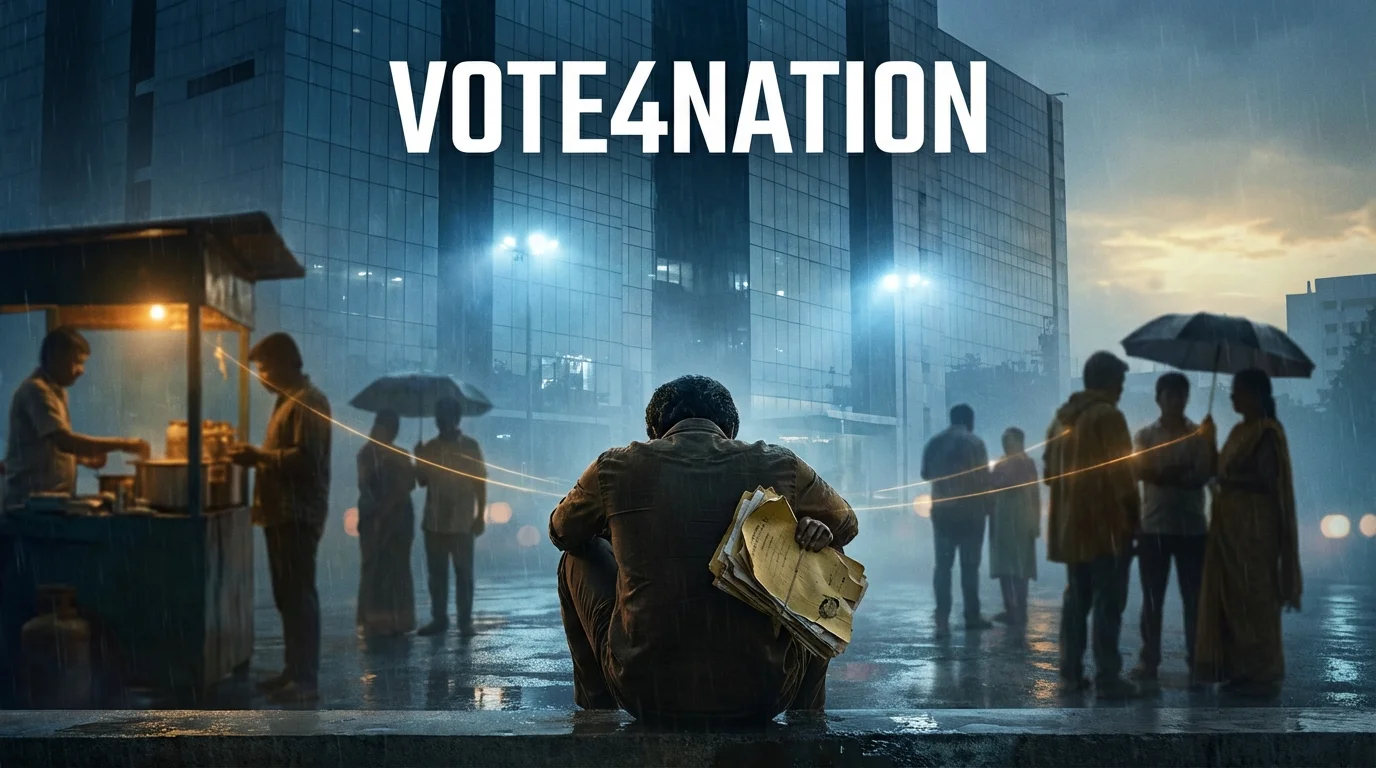
Fortis Healthcare has announced the acquisition of People Tree Hospital in Bengaluru for 4.3 billion rupees. While this is a major business deal, it raises fears among the common people about rising medical costs and the corporatization of essential healthcare services.
Medical NegligenceInfrastructureOverbillingStaff ConductCorporate Monopoly
The 430 Crore Rupee Handshake: While Giants Trade, The Common Man Weeps
The Night of The Big Deal
It was a rainy Saturday evening in Bengaluru. The traffic in Yeshwantpur was stuck. Horns were blaring. The red tail lights of thousands of cars looked like a river of blood on the wet road. In the middle of this chaos, a big news flashed on the business channels. "Fortis Healthcare to acquire People Tree Hospital for 4.3 Billion Rupees." 4.3 Billion. That is 430 Crores. It is a mountain of money. For the men in suits sitting in air-conditioned boardrooms, this was just a signature. It was a "strategic move." It was "business expansion." But for people like Raju, who was standing outside the pharmacy of that very same hospital, the world felt very different."I do not know how many zeros are there in a billion. I only know that the medicine for my wife costs 500 rupees, and I have only 200 in my pocket."This story is not just about a business deal. It is about what happens when healing becomes a business. It is about the fear in the eyes of the common man when he looks at a shiny glass building that holds the power of life and death.
The Weight of 4.3 Billion Rupees
Let us pause and think. What does 4.3 billion rupees mean? It means new machines. It means a bigger brand name. It means the hospital in Yeshwantpur will now be part of a massive chain. But in India, we have learned a hard lesson. When things get "bigger" and "better," they often get more expensive. Raju is a daily wage worker. He works at a construction site in Peenya. His hands are rough. His skin is burnt by the sun. His wife, Lakshmi, has been sick for a week. A severe fever that refused to go away. He brought her to the hospital because he was scared. He saw the clean floors. He saw the nurses in crisp uniforms. He felt safe. But safety comes with a price tag. When the news broke about the acquisition, Raju was sitting in the waiting area. He saw the ticker on the TV screen mounted on the wall. Fortis buys People Tree. Raju asked the man sitting next to him, "Sir, what does this mean? Will the hospital close?" The man, who looked like an office worker, shook his head. "No, it won't close. It has been sold. A big company bought it. They paid a lot of money." Raju looked at the billing counter. "If they paid so much money to buy it, will they ask for more money from us to get it back?" The man did not answer. He just looked away. That silence is the scariest part of Indian healthcare today.The Business of Pain
We need to ask tough questions. Why is healthcare such a profitable business? When a big company spends 430 crores, they expect a profit. Where does that profit come from? It comes from the patients. It comes from the room charges. It comes from the medicines. It comes from the surgeries. People Tree Hospital in Bengaluru has served many people. It is a well-known place. Now, with Fortis taking over, the landscape changes. Fortis is a giant. They have hospitals all over the country. They bring world-class technology. That is good. We need good doctors. We need good machines. But we also need a heart. Imagine a mother sitting by her son's bed. She is praying to God. Then a billing clerk walks in. He does not ask about the son's health. He asks for a deposit."Please clear the pending amount of 50,000 rupees, or we cannot continue the treatment."This is the nightmare every middle-class Indian lives with. One sickness can wipe out years of savings. One hospital stay can push a family into poverty for a decade.
The Fear of "Corporate" Care
The word "Corporate" sounds fancy. It means efficiency. It means clean toilets and digital records. But for the poor, "Corporate" means "Expensive." The residents of Yeshwantpur are worried. We spoke to a few locals near the hospital area. Mrs. Sharma, a retired teacher, said: "I used to come here because it was accessible. The doctors were kind. Now, if it becomes a big corporate chain, will they still talk to us? Or will we just be file numbers? Will they order tests I don't need just to make money?" This mistrust is deep. In India, we have seen hospitals hold dead bodies hostage for unpaid bills. We have seen families sell their land to pay for ICU beds. When we see a headline like "4.3 Billion Deal," we don't feel proud of our economy. We feel fear. We wonder if that money could have built ten smaller hospitals for the poor instead of buying one big one for the rich.A System Without Empathy?
The deal is signed. The money will move from one bank account to another. The board members will shake hands. They will drink tea and smile. They will talk about "Growth" and "Shareholder Value." But who is the shareholder of the poor man's life? Let us go back to Raju. He is still sitting in the lobby. The rain has stopped outside, but the storm in his heart is raging. He goes to the counter again. "Madam, can I pay half now and half next week? My owner will give me salary on Monday." The lady at the counter looks tired. She is just an employee. She follows the rules of the computer. "Sir, the system will not accept admission without the deposit. Please understand." The System. That is the villain. The system that cares about 4.3 billion rupees but cannot see the tears of a husband. The system that values real estate more than real lives.The Investigator's View
As the Lead Editor for VOTE4NATION, I look at this deal with suspicion. Not because the deal is illegal. It is perfectly legal. It is business. But is it moral? Why has healthcare become a luxury good? Why is a hospital treated like a hotel or a shopping mall? When Fortis takes over, we will watch closely. * Will the consultation fees go up? * Will the price of a bed in the general ward increase? * Will they force patients to buy medicines only from their in-house pharmacy at higher rates? We must watch. Because if we don't, the silence of the waiting room will swallow us all.Conclusion: The Cost of a Life
The lights of the hospital shine bright in the Bengaluru night. Inside, doctors are saving lives. Nurses are running with oxygen cylinders. Miracles are happening. But outside, the shadow of 430 Crores looms large. We welcome better infrastructure. We welcome modern technology. But we beg for humanity. Do not let the sound of money drown out the heartbeat of the patient. To the new owners, we say this: You have bought the building. You have bought the brand. But you have not bought the right to exploit the helpless. The eyes of the nation are on you. Make a profit, but do not make a killing.Story from real incident happened in India.
Produced by: VOTE4NATION Investigative Team