The Silent Scream: How 'Paper Doctors' Are Killing Patients in India
Location
Guwahati
Department
Medical Education Department
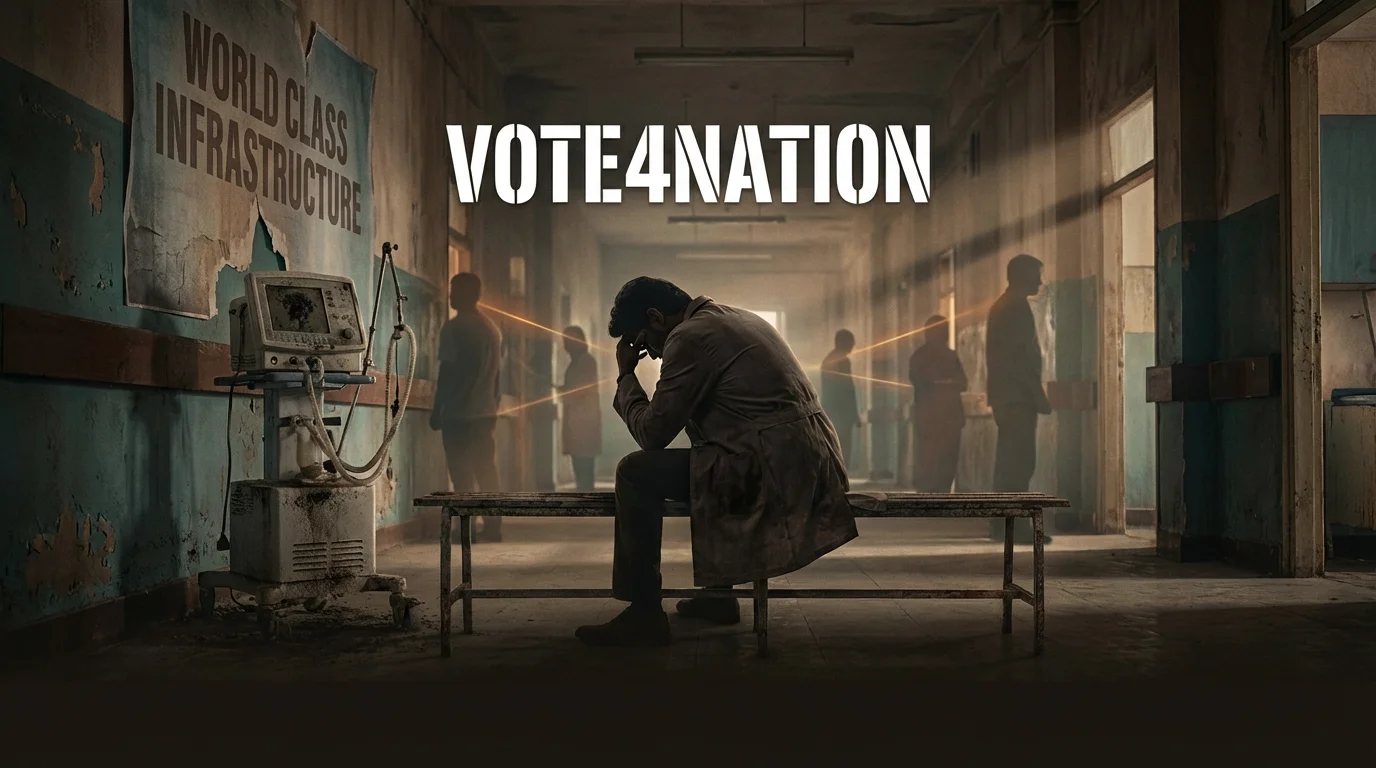
A young medical intern in Assam, untrained in practical skills due to poor college infrastructure, fails to save a patient. This tragedy highlights the critical need for clinical exposure programs like the one recently launched by Peerless Hospital.
The Price of a Paper Doctor: When Degrees Don't Save Lives
Guwahati, Assam - The Dark Night
It was raining heavily in Guwahati. The sound of the rain on the tin roof of the hospital ward was loud. But inside the room, the silence was louder. A machine made a long, flat sound: Beep...
Dr. Arjun stood frozen. He was 24 years old. He wore a white coat. It was clean. Too clean. In his pocket, he had a stethoscope. It was new. But his hands were shaking. He looked at the woman on the bed. Her name was Meera. She was 45 years old. A mother of two.
She was dead.
"I read about this in the book. Page 342. Cardiac Arrest. I know the theory. Why couldn't I save her?" - Dr. Arjun's diary entry.
Meera's husband, a tea garden worker, grabbed Arjun’s collar. His eyes were red with tears and anger. "You are a doctor! Why didn't you do something? You just stood there!"
Arjun could not speak. He could not tell this man the truth. The truth was simple and cruel: Arjun had passed his exams with 90% marks. But he had never, not even once, treated a real patient in a critical condition during his college days. He was a 'Paper Doctor'.
The Education Scam: Paying for Nothing
This is not just Arjun's story. This is the story of thousands of medical students in India. We treat doctors like gods. But do we know how they are trained?
Arjun went to a private medical college on the outskirts of the city. His father sold a piece of land to pay the fees. Twenty Lakh Rupees. That is the price of the degree.
"We were promised everything," Arjun told our VOTE4NATION investigative team. "Big labs. Real patients. Expert seniors. But when we reached the college, it was empty."
In many medical colleges, the 'hospital' attached to the college is a ghost town. There are no patients because the treatment is bad. If there are no patients, the students practice on plastic dolls. Or they just read books.
The Missing Skill
When Meera came to the hospital that night, she was struggling to breathe. She needed a procedure called 'intubation'. A tube is put down the throat to help the lungs get air. It is a basic skill for a doctor.
Arjun knew the steps. 1. Tilt head. 2. Open mouth. 3. Insert laryngoscope. 4. Place tube.
He knew the words. But his hands did not know the feeling. He had never held a real laryngoscope in a human throat. When he tried, his hands shook. He hit her teeth. He could not find the airway. He panicked. Precious seconds passed. The senior doctor was not there. By the time help arrived, Meera's heart had stopped.
This was not a medical failure. This was an educational murder.
The Systemic Rot
We investigated why this happens. Medical colleges are businesses today. They want to fill seats. They want the fees. But they do not want to spend money on 'Clinical Exposure'.
Clinical Exposure means letting students work with real patients under strict guidance. It costs money. It requires good senior doctors who are willing to teach. It requires a busy hospital.
"They gave us a degree, but they didn't give us the confidence. We are soldiers sent to war with toy guns." - Anonymous Intern.
In the Northeast, this problem is severe. The infrastructure is less. The number of patients in rural areas is high, but the number of good teaching hospitals is low. Students graduate and are sent to rural health centers. There, they are alone. They face life and death with only book knowledge.
A Ray of Hope amidst the Darkness
While investigating this tragedy, we found that not everyone is sleeping. Some institutions realize that this 'Paper Doctor' culture will kill the nation.
Recently, Peerless Hospital in Guwahati made a big move. They decided to strengthen their academic partnership. They are expanding 'academic-clinical collaboration'.
What does this mean in simple English?
It means they are bridging the gap. They are ensuring that students don't just read books. They will work in the hospital. They will see real blood, real pain, and real healing. They are preparing 'Future-Ready' professionals.
This news is important. It shows that the solution exists. Private players and government bodies can work together to train students properly. If Arjun had been trained in a program like the one Peerless is building, Meera might be alive today.
The Final Verdict
Meera is gone. Her children are motherless. Arjun has left his job. He is in depression. He feels like a killer.
But the real killer is the college that took his money and gave him no skills. The real killer is the system that allows colleges to run without proper patient flow.
We need more initiatives like the one in Peerless Hospital. We need to stop producing Paper Doctors. Medicine is not about marks. It is about saving lives.
To the Authorities: Check the colleges. Ask the students—have you touched a patient? If the answer is no, shut the college down.
To the Parents: Don't just pay fees. Ask for accountability. Your child's degree is useless if they cannot find a vein.
This happened in India. It happens every day. It must stop.
Produced by: VOTE4NATION Editorial Team